

Low Testosterone
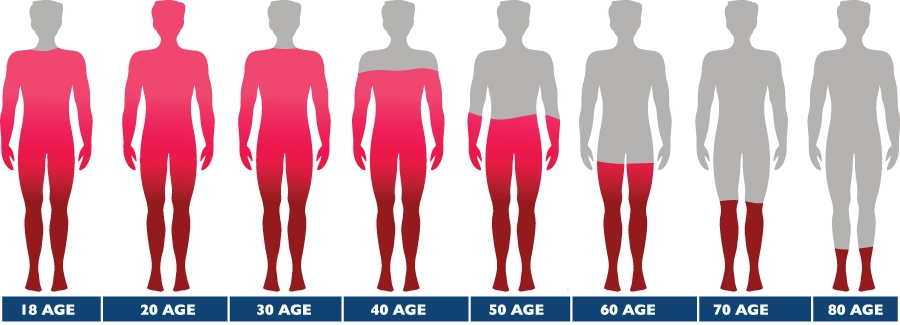
It is normal for testosterone levels to decrease with age, but low testosterone (Low T) can cause bothersome symptoms that can be treated.
Symptoms of Low T
Low testosterone is diagnosed by a combination of bloodwork that shows a low testosterone level along with at least one of the following symptoms:
- Low or decreased sex drive (libido)
- Decreased energy
- Decreased physical strength
- Decreased lean muscle mass
- Male infertility
- Depression or mood disturbance
- Poor memory
- Difficulty concentrating
- Hot flashes
- Erectile dysfunction (ED)
Erectile Dysfunction (ED)
There is a link between Low T and erectile dysfunction.
Low T affects 2 to 4 million men in the U.S., or 60% of men over age 65. And the incidence increases as we age. This may affect a man’s erectile function.
Low testosterone causes
The most common cause of low testosterone is normal aging, but low testosterone can be caused by a number of conditions that will be evaluated at your office visit.
Diagnosis
Dr. Natalya Lopushnyan discusses testosterone
The function of testosterone in men, normal and abnormal levels, and strategies for treating low testosterone levels.
Treatment with Testosterone Replacement Therapy (TRT)
There are a number of different treatment options that may be appropriate for use depending on each individual man’s symptoms and testosterone levels. Treatment options may include:
- Topical testosterone therapy
- Oral testosterone therapy
- Intranasal testosterone therapy
- Testosterone implant in the form of pellets
- Testosterone injections
Follow-up
Regular follow-up visits are necessary to evaluate a man’s response to testosterone therapy and to check routine testosterone related blood tests.
Our urologists can help diagnose your low T and provide appropriate treatments to increase or replace it.
To learn more, contact a provider or one of our locations — or schedule an appointment.